Colorado sets its election audit seed today, and Eagle County starts the hand check Tuesday
The Secretary of State convenes a public meeting at 10 a.m. today to roll the 20 digit seed that drives the statewide risk-limiting audit software. Eagle County's own audit starts Tuesday, Nov. 17, and no result in the county becomes official until the audit is complete and the canvass board certifies it, with a deadline of Nov. 25.
Colorado's post-election audit machinery moves in public today. Secretary of State Jena Griswold convenes a public meeting at 10 a.m. this morning, Monday, Nov. 16, to establish the random seed for the risk-limiting audit of the Nov. 3 general election, the Secretary of State's office said in its meeting notice. The meeting sits on the 13th day after Election Day, as Election Rule 25.2.2(k) requires, and it is open in person at the Secretary of State's office in Denver and by live stream on Zoom.
A seed rolled one die at a time
The seed is a number of at least 20 digits, and each digit is selected in order by sequential rolls of a 10 sided die, according to the notice. Members of the public at the meeting are invited to roll individual dice themselves; where a member of the public does not want to take part, staff at the Secretary of State's office roll instead. The seed feeds the pseudo random number generator in the state's risk-limiting audit software, and the office says it will publish the seed on its Audit Center page immediately after it is established. The Audit Center also carries the state's notice setting this year's risk limit at 3 percent and the list of target contests for the 2026 general election audit. The office describes the exercise as a statewide bipartisan audit conducted after every election.
What Eagle County does on Tuesday

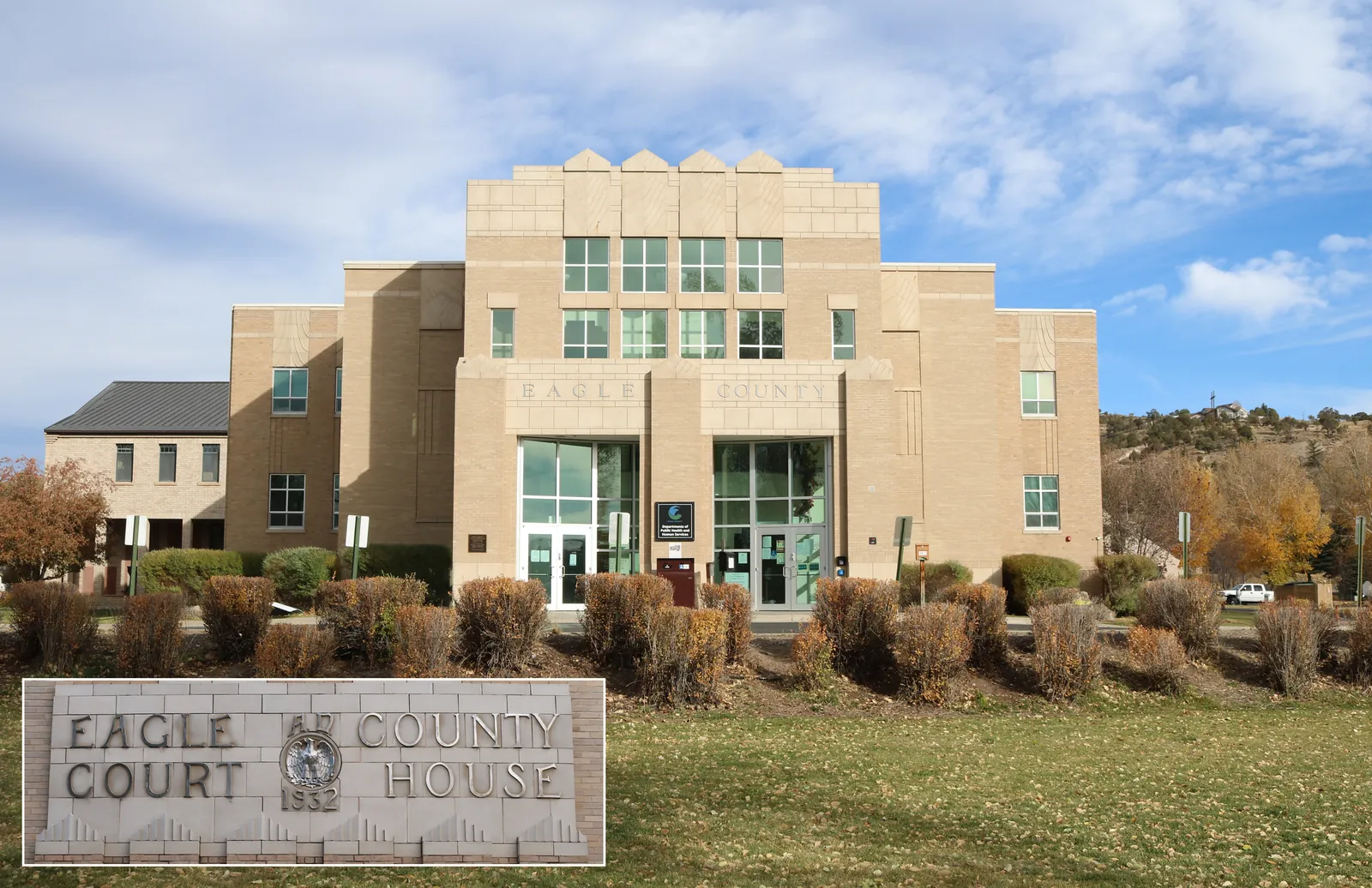
Eagle County's part of the audit starts tomorrow, Tuesday, Nov. 17. In its Nov. 2 election eve release, the Eagle County Clerk and Recorder's Office said the county audit begins that day, with bipartisan election judges checking paper ballots by hand, the method the county describes as giving a high level of statistical confidence in the outcome. The same release sets out the sequence the county has followed since the polls closed: ballots needing signature verification cures, and eligible military and overseas ballots, had an eight day window under Colorado law to be finalized, and on the ninth day after the election the county's bipartisan team conducted the final scan and tally of those ballots.
None of this would be possible without the incredible dedication of our local election team, who work long days and late nights behind the scenes to keep our elections secure, accurate, and accessible,
Becky Close, Eagle County Clerk and Recorder, in the county's Nov. 2 release
The clerk's office is explicit on one point: nothing is certified on election night. The county canvass board makes the results final only once the statewide audit has been completed successfully. The Town of Avon's Nov. 4 election release, sharing the county clerk's figures, puts the certification deadline at Nov. 25, 2026, and records countywide turnout in the unofficial count at 23,628 ballots cast out of 35,213 active voters, or 67.10 percent. For comparison, the town lists 28,225 ballots in 2024, a presidential election year, and 22,485 in the 2022 midterms, so this year's total sits about 5.1 percent above 2022 even though the turnout percentage is slightly lower.
Why a 21 vote gap in Avon waits on the same process
One local race shows why the audit and canvass matter. In Avon's council election, four seats were open, and the town's unofficial results put Alan Sandberg fourth with 573 votes and Justin Chesney fifth with 552, a difference of 21 votes. Colorado law requires a recount where the gap is no more than one half of one percent of the votes cast for the lowest winning candidate; one half of one percent of 573 is 2.865 votes, so the town says the 21 vote difference does not appear to fall within the mandatory recount threshold. A recount can still be requested by an interested party under a separate provision of state law, at the requesting party's expense, and any recount is conducted by the Eagle County Clerk and Recorder after the canvass certifies the original count. Avon's newly elected council members are due to be sworn in at the town's Dec. 8 council meeting, after certification is complete.