White River National Forest lifts fire restrictions
Campfire restrictions that shaped summer and fall recreation across the forest, including the country around Vail, are coming off. Here is what changed and what still applies.
The White River National Forest has announced it will lift fire restrictions across the forest beginning Friday, Sept. 25, closing out a summer in which much of western Colorado sat under some level of fire restriction after a parched early season.
"It's nice to see widespread moisture across the forest," White River National Forest Supervisor Brian Glaspell said in the announcement, carried on the forest's official alerts page. The forest cautioned that lower fire danger does not mean no fire danger, and asked visitors to stay careful with any open flame.
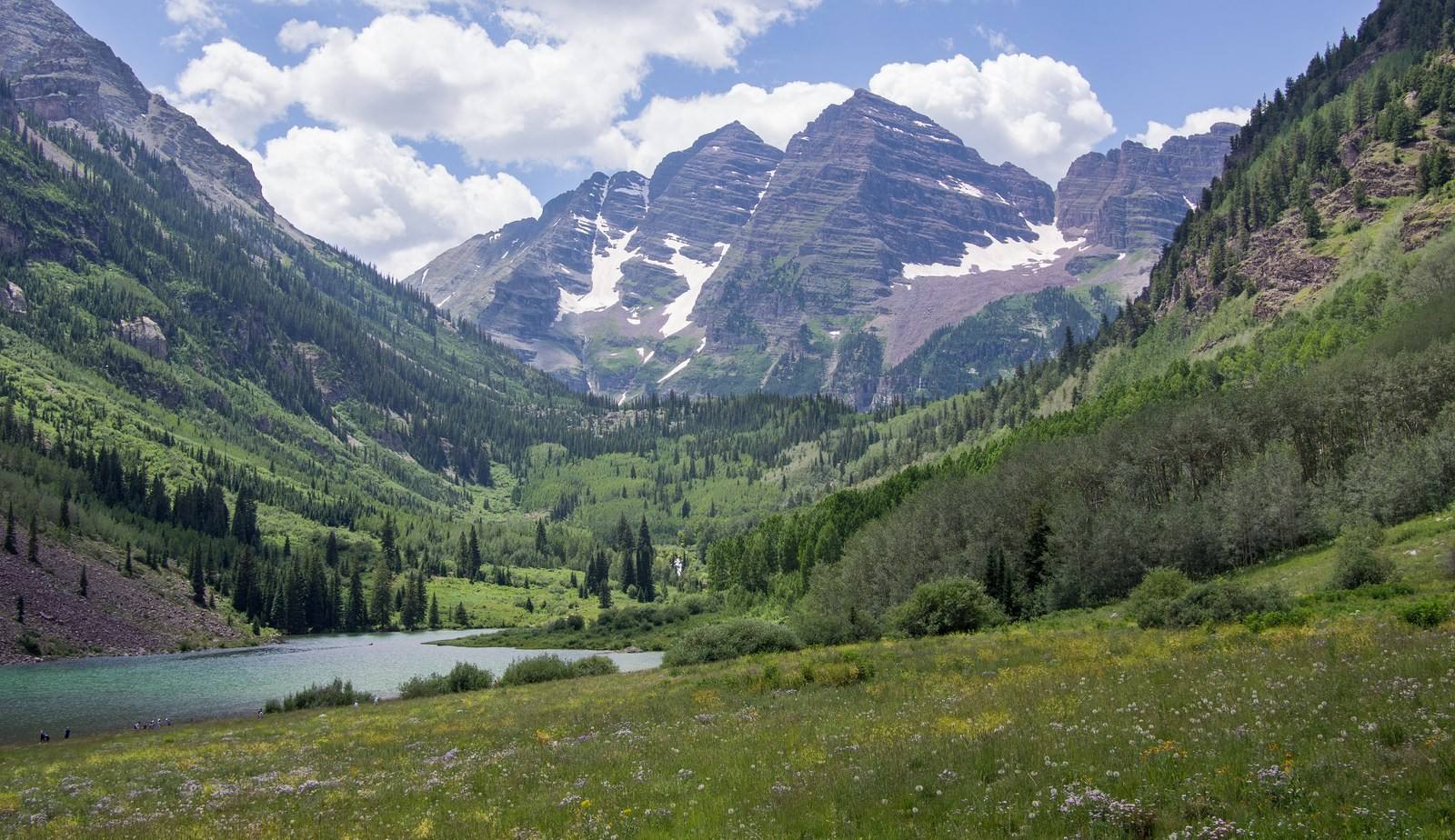
The lift follows a stepwise easing. In late June, the forest entered Stage 2 restrictions, which prohibited campfires and charcoal fires even in developed campgrounds. On Sept. 3, officials stepped most of the forest down to Stage 1, which allowed fires in metal rings and concrete pits at developed sites, while the Dillon Ranger District, covering Summit County, stayed at Stage 2. Eagle County dropped to Stage 1 at the same time. The Sept. 25 move removes the remaining restrictions forest-wide.
What the change means on the ground
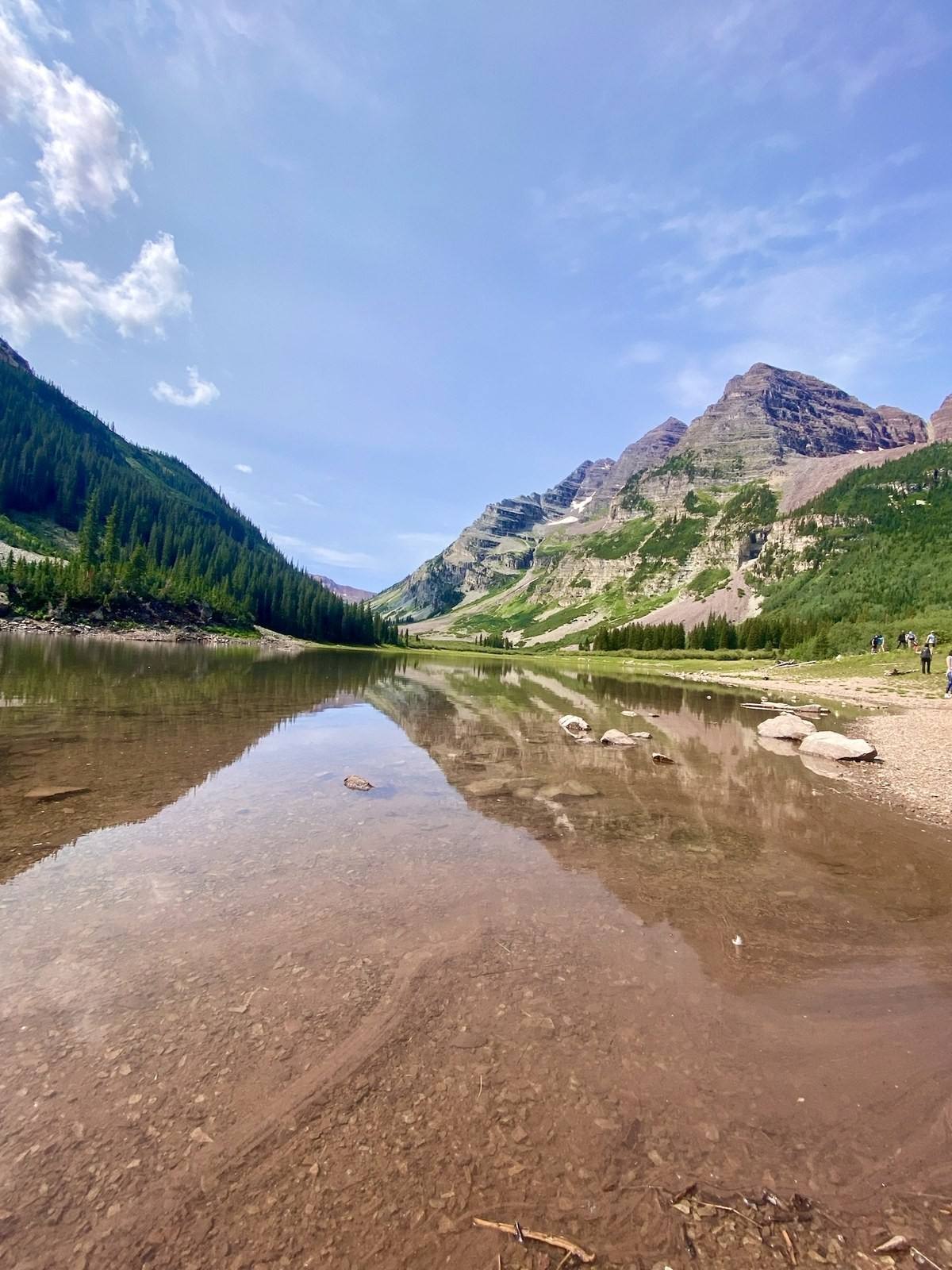
With restrictions lifted, visitors may again have campfires under the forest's normal rules, which require fires to be fully extinguished before they are left. The standing guidance remains the Smokey Bear standard: as White River public information officer David Boyd put it, make sure a fire is cold to the touch before leaving it unattended.
The Eagle-Holy Cross Ranger District, which covers the Vail area, had been under the same forest-wide orders, so the lift applies to the trails, campgrounds, and dispersed areas around Vail as well. Campers should still check the forest's alerts page before heading out, since orders can change with conditions and individual areas can carry their own closures.
Why this summer was different
The restrictions arrived early and stayed late because of drought. By early September, officials across the Western Slope were describing a historic dry stretch, and the coordinated downgrade to Stage 1 was tied to cooler, wetter weather settling over the region rather than to the calendar. Fire managers weigh fire danger, fuel moisture, and short- and long-term forecasts, and this year's calls followed conditions as they improved.
The forest's alerts page at fs.usda.gov/r02/whiteriver/alerts remains the authoritative place to check the current status before any trip. Fire restrictions can return if conditions dry out again, and the page also carries the forest's other active notices, from road work to trailhead operations.