First significant snow advisory of the season reaches Vail Pass, and the traction law gets its first test
The National Weather Service in Grand Junction placed the Gore and Elk Mountains under a winter weather advisory from Wednesday morning until early Thursday, covering Vail Pass above 9,500 feet. The passing storm also gave Interstate 70 drivers the first real test of the season under Colorado's traction rules.
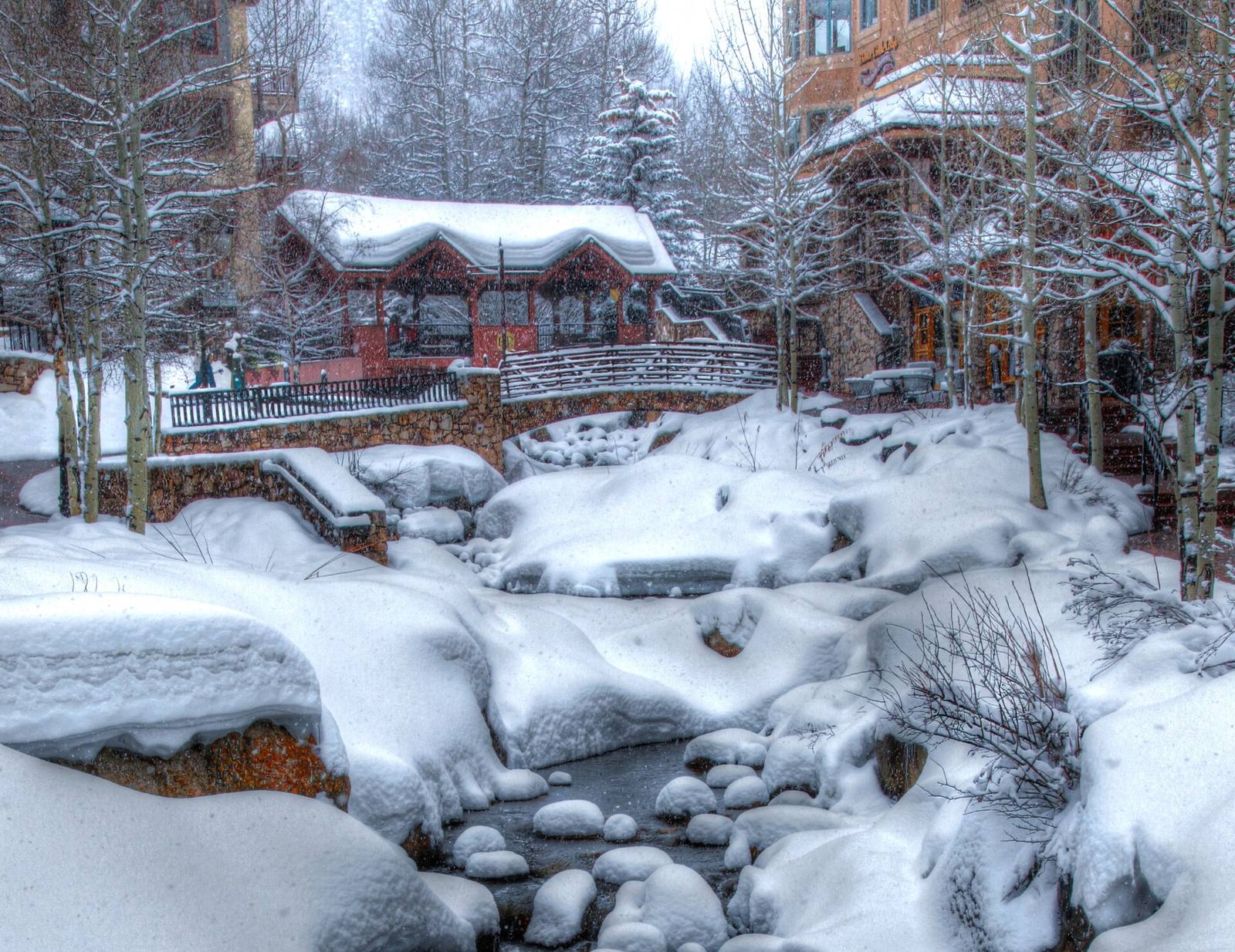
The first significant snow advisory of the season for the Vail area has now come and gone, and its real value for valley drivers is as a rehearsal. The National Weather Service office in Grand Junction issued its advisories on Tuesday, Oct. 13, including one for the central mountains above 9,500 feet that ran from 6 a.m. Wednesday to 6 a.m. Thursday, Mountain time, according to Autoblog's summary of the issuances and a second summary by Traveling Lifestyle. That advisory covered the Gore and Elk Mountains and named Vail, Minturn and Vail Pass among its places, with the Weather Service forecasting 4 to 8 inches of snow, more above timberline, and gusts to 35 mph. It expired early Thursday, and this article reports no current road or weather conditions: anything happening on the pass now belongs to the official channels listed below, not to a summary of a finished advisory.
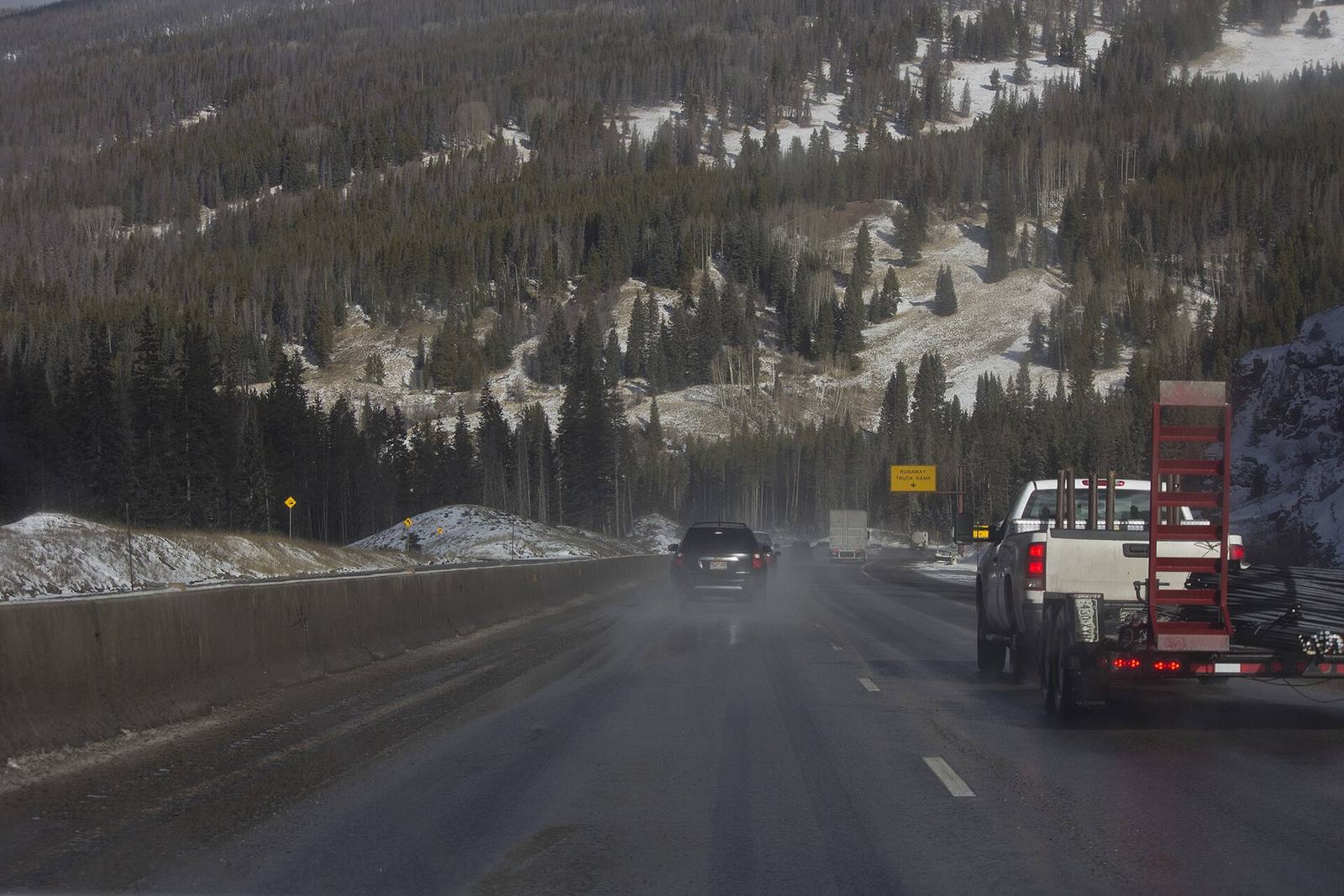
slushy and icy road conditions on mountain passes
National Weather Service, Grand Junction advisory, as reported Oct. 13, 2026
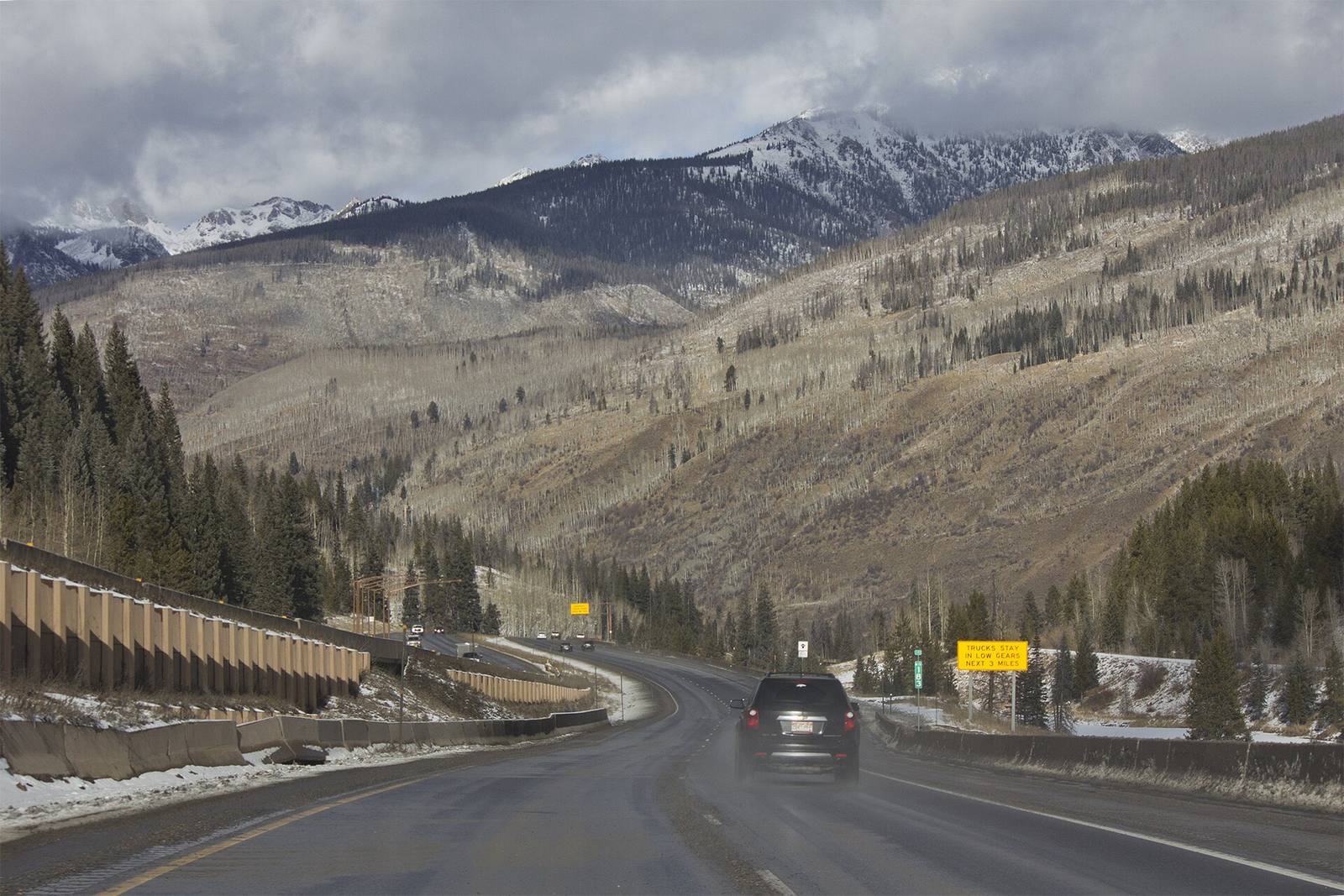
The same system made news farther north. The Weather Service office in Boulder described its advisory for the northern mountains as the season's first for that area, covering terrain above 9,000 feet from noon Wednesday to 6 a.m. Thursday with 6 to 12 inches expected, according to Traveling Lifestyle. Autoblog's account adds the timing detail: the Grand Junction advisories were issued at 3:09 p.m. Eastern time on Tuesday, and both the Denver and Grand Junction central mountain advisories ended at 8 a.m. Eastern on Thursday, which is 6 a.m. in the valley. Two summaries, one set of times: the local advisory was a Wednesday event, aimed at the morning and evening commutes, and it is over.
The law that is already in force
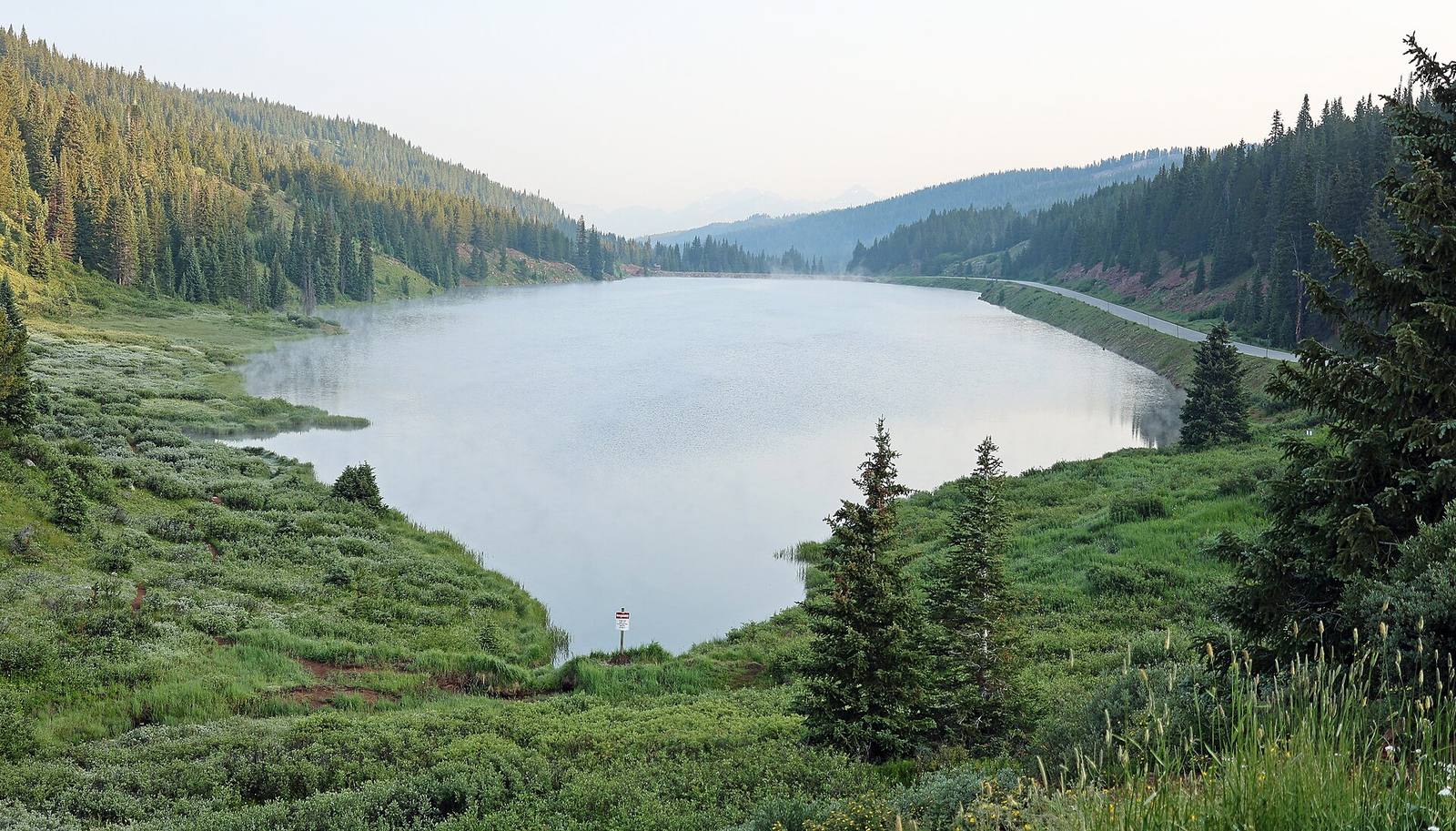
What has not expired is the legal framework the storm tested. Colorado's Passenger Vehicle Traction Law is in effect every year from Sept. 1 through May 31 on Interstate 70 between Dotsero and Morrison, the stretch that carries valley drivers over Vail Pass and through the Eisenhower Tunnel corridor, according to Powder's explainer of the updated rules and Unofficial Networks' summary of the state release. When the law is active, every vehicle needs tires with at least 3/16 of an inch of tread. All-wheel and four-wheel drive vehicles comply with winter tires, all-weather rated tires, or mud and snow tires at that depth. Two-wheel drive vehicles must use chains or an approved alternative traction device on at least two drive tires, whatever tires they run on, and the same requirement catches any other vehicle whose tires do not meet the standard. CDOT can activate the law on any state highway when conditions require it, not only on I-70.
The penalties explain why the equipment check matters in October rather than at the pass in a storm. Noncompliance carries a fine of 50 dollars plus a 17 dollar surcharge, a figure carried in both the Autoblog and Unofficial Networks summaries. Autoblog's summary puts the cost of getting stuck and blocking the road on inadequate equipment far higher, at up to 1,000 dollars plus a 157 dollar surcharge. In a severe storm, CDOT can step up to the Passenger Vehicle Chain Law, which requires chains or an approved device on every vehicle, whatever its drivetrain or tires.
Where the official word lives
For anything live, use the sources this newspaper uses. The Weather Service office in Grand Junction forecasts for the Vail area in its Gore and Elk Mountains and Central Mountain Valleys zone, and its site carries the current advisories and point forecasts. COtrip, the Colorado Department of Transportation portal, lists closures and shows whether the Traction Law or the Chain Law is active on a given stretch of road, and statewide road reports are also available by calling 511. The first advisory of the season asked for nothing exotic: tires with real tread, a traction device in the car for anyone whose tires fall short, and a conditions check before the climb. It will not be the last time this winter that the pass asks for all three.