Eagle County Is Writing Its Conservation Playbook in Three Linked Plans
The county is using October to spotlight a stewardship goal built on an approved open space plan, a public lands plan still in early draft, and a partnership framework meant to align conservation work across jurisdictions.
Eagle County is spending October explaining how it intends to look after the land and water around its towns. In an Oct. 16 update, the county said the environmental stewardship goal in its 2026 to 2028 Strategic Plan rests on three long-range planning documents being developed together, each covering a different part of the conservation problem: the open space the county owns, the public lands it does not, and the partnerships that connect the two.
The starting point is scale. More than 80 percent of the county is federal public land, according to the county, which argues that conservation decisions here cannot sensibly be made parcel by parcel. The update points to heavier recreational use, continued population growth, wildfire and drought among the effects of a changing climate, and ongoing development pressure as the forces making a coordinated approach necessary.
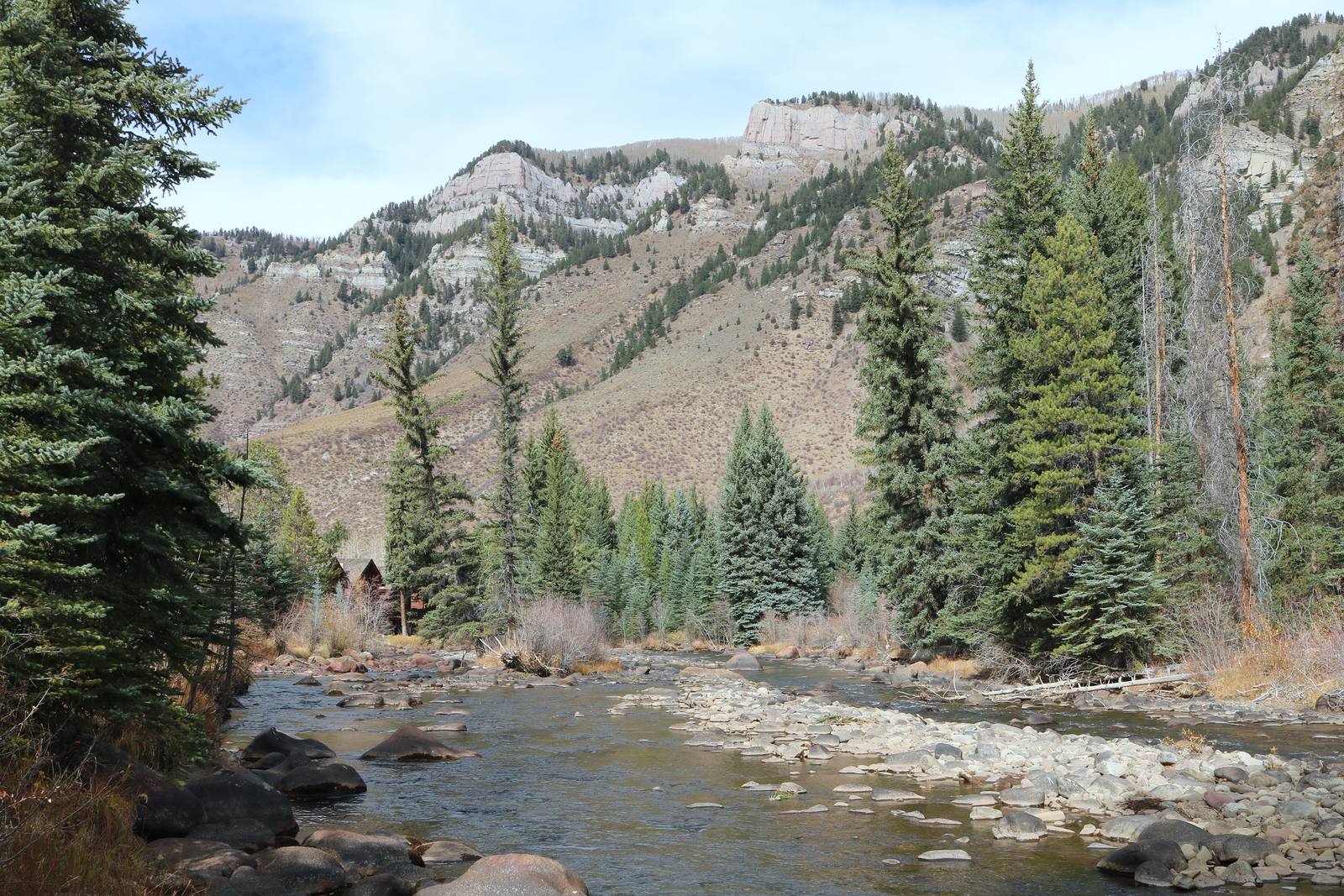
Our community has made it clear that protecting water, land, and wildlife is one of Eagle County's highest priorities.
Tom Boyd, Eagle County Commissioner, in the county's Oct. 16, 2026 stewardship update
Three tools, three jobs
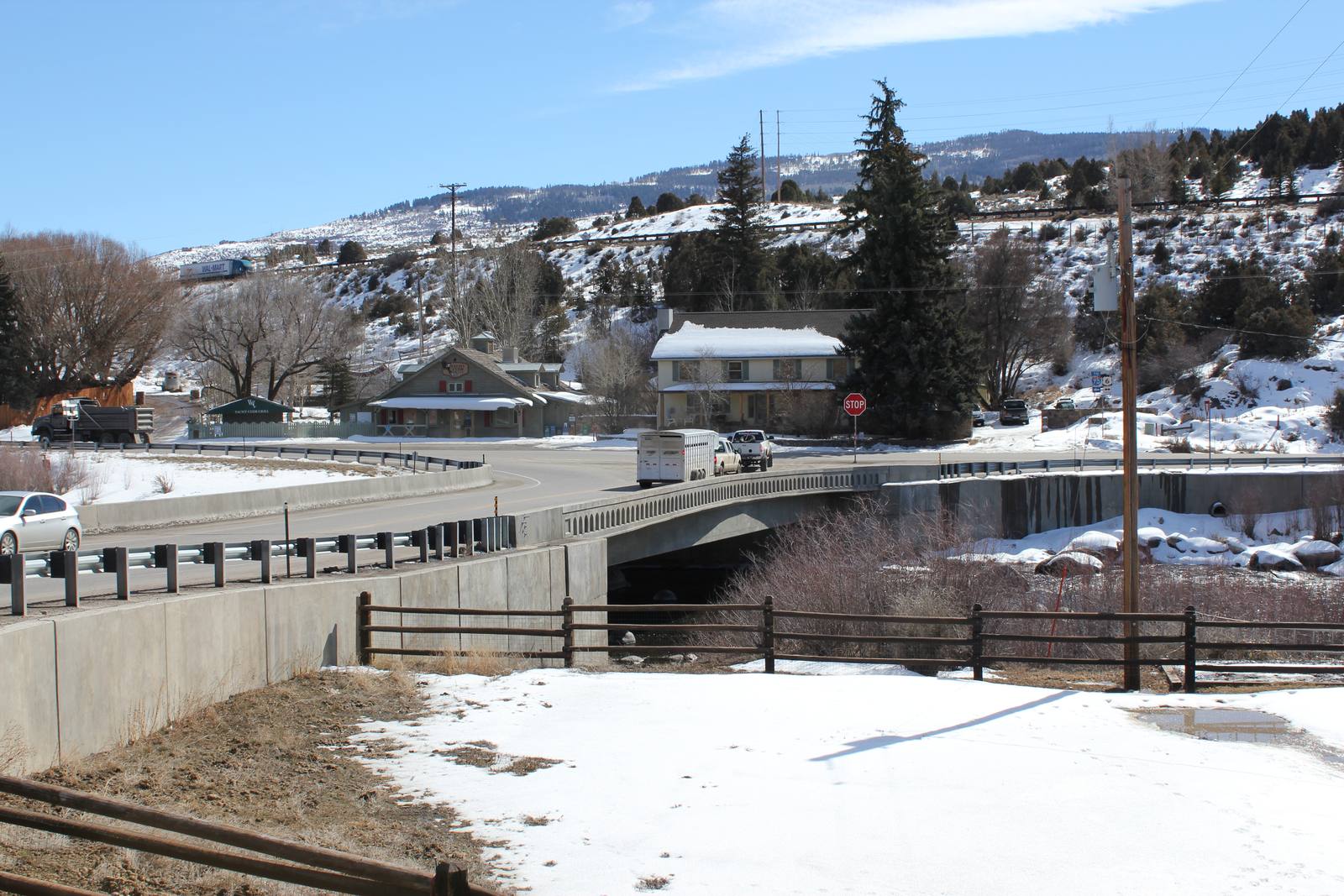
The first document is the furthest along. The Open Space Plan was approved in 2026, the county said, and it now guides both investment decisions and day-to-day management on the open space properties the county itself owns. Those properties are bought and managed with the Open Space Fund, which voters first authorized in a countywide ballot initiative in 2002 and which draws on a levy of up to 1.5 mills on property values through 2040. Since 2002, the county says, the program has helped conserve more than 15,000 acres through purchases, conservation easements and support for easement transaction costs.
The second document looks outward. The Public Lands Plan is still in an early draft stage, the county said, and its job is to set out the policy framework, priorities and coordination the county will use for the state and federal lands that surround its communities. In a county where the large majority of the land is managed by someone else, that framework is meant to give Eagle County a consistent position when neighboring land managers weigh their own decisions.
The third document is about who does the work. The Conservation Partnership Framework, also in draft, is intended to coordinate conservation projects across the county and the wider region, line up funding requests behind shared priorities, and connect agency managers, stakeholders and conservation nonprofits. The county says the framework is also meant to protect land, water and wildlife while supporting outdoor recreation that can last.
We cannot manage our natural resources alone. It takes true cross-jurisdictional collaboration and a shared purpose.
Marcia Gilles, Eagle County Open Space and Natural Resources Director, in the county's Oct. 16, 2026 stewardship update
Written with the neighbors
None of the three documents is being written in isolation, according to the county. Eagle County says it is engaging land trusts, municipalities, water providers, agricultural landowners, state and federal agencies and community members so the finished plans reflect local knowledge and shared conservation priorities. The county directs readers to its strategic plan page for its monthly goals and to its Open Space and Natural Resources Department for the conservation work itself.
What happens next is drafting, not decisions. One plan is approved and in use, two are still taking shape, and the county set no public completion dates for the drafts in its October update. For residents, the practical test will be whether the finished public lands and partnership documents change how the county shows up in the land decisions that surround every town in the valley.