New headwaters report ties Eagle County's economy to an uncertain water supply
The Northwest Colorado Council of Governments' 2026 water economy update, its first since 2012, finds transmountain diversions, a record-low snowpack year and shifting runoff leaving tourism, recreation and farming in the six headwaters counties on less certain footing.
A regional water study updated for the first time in 14 years gives Eagle County a documented way to describe an old anxiety: the economy runs on water that is becoming harder to count on. The Northwest Colorado Council of Governments, acting through its Water Quality/Quantity Committee, published the study in July 2026, with Harvey Economics retained to prepare it as an update to a 2012 report. Regional coverage this week returned to its findings, which treat water not as scenery but as the input underneath nearly every job the valley has.
The study covers six counties, Eagle, Grand, Gunnison, Pitkin, Routt and Summit, which it calls the headwaters counties because the Colorado River and its tributaries begin in their mountains. Water from those counties does double duty, in the report's framing: it serves the residents, businesses and visitors who live beside it, and it also carries legal obligations to some 40 million people downstream in Colorado and the western United States. That dual role, the report argues, is exactly why uncertainty at the source matters far beyond the source.
When reservoirs and streams are depleted, local communities suffer acute consequences
Kristin Green, director, NWCOG Water Quality/Quantity Committee
The diversion math
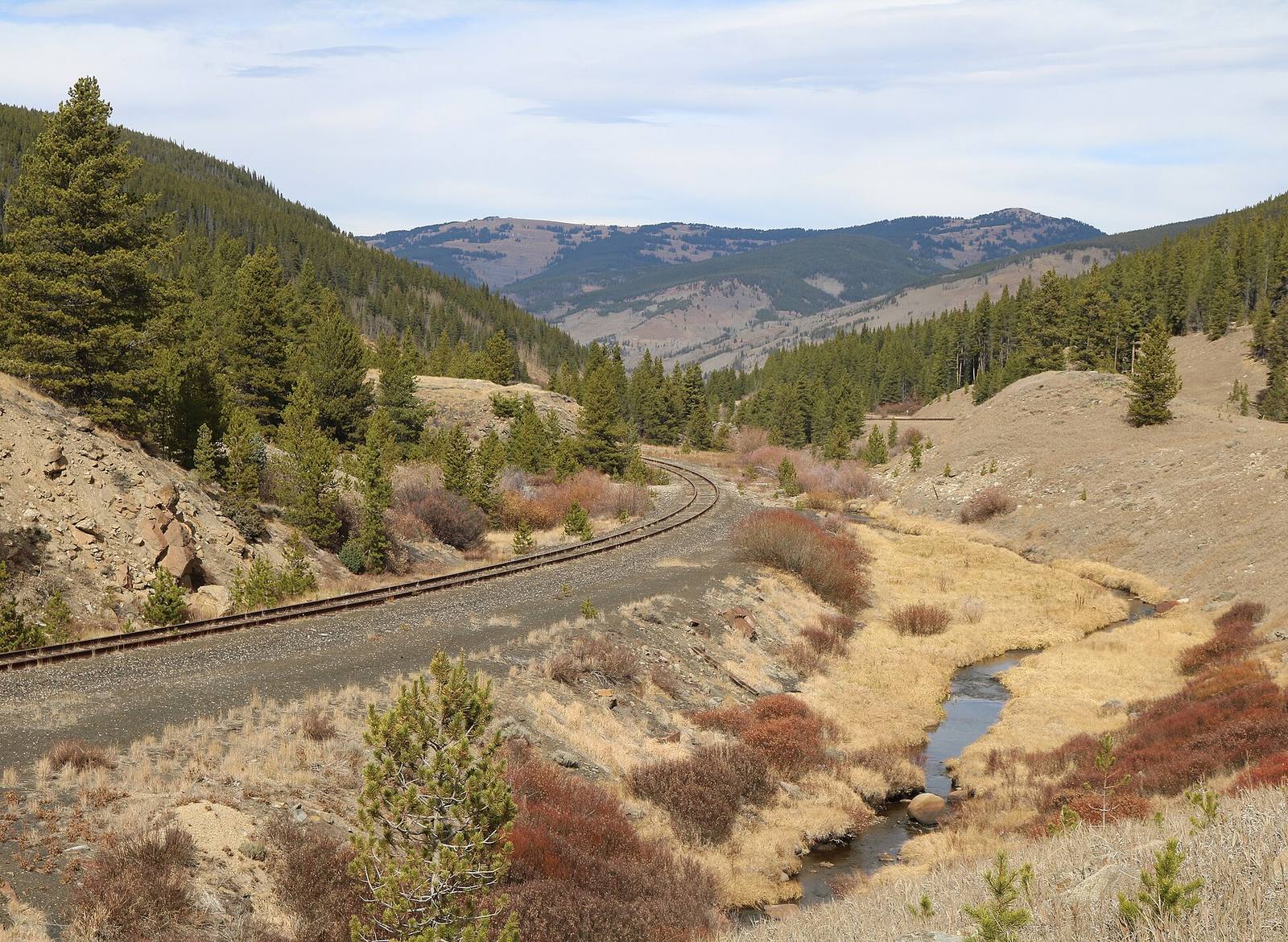
The sharpest numbers in the coverage concern transmountain diversions, the projects that carry headwaters water east to the Front Range. The report counts 16 such projects in the six counties, with others proposed or under consideration, and cites a technical analysis putting diversions from the Colorado River basin at around 500,000 acre-feet a year. In individual subbasins, diversions can consume up to 62 percent of flows in an average year and up to 80 percent in a drought year, according to the report, with the largest diversions taken from the Colorado River below Windy Gap Reservoir outside Granby. The environmental costs listed alongside the volumes include warmer, more concentrated flows, lost natural peaks, habitat decline and pressure on wastewater treatment and tourism.
A hotter, earlier water year
The climate record assembled in the report, using Colorado State University Climate Center data, compares 2000 to 2023 with the previous 49 years and finds spring snowpack down 3 to 23 percent, streamflows down 3 to 19 percent, and evaporative demand up around 5 percent, with runoff arriving earlier. This year's conditions gave the trend a local illustration: the winter of 2025/26 produced a record-low snowpack, intense heat in March pulled streamflows to early and record-low peaks, and drought deepened through late spring and early summer, the coverage notes. For a county whose rivers fill rafts in June and whose slopes fill lifts in January, timing is not a detail. It is the product.
Growth keeps raising the stakes. The six counties added around 9,000 residents, about 6 percent, between 2010 and 2023, and the report expects population to rise another 20 percent by 2050. Second homeowners account for roughly 40 percent of the region's dwellings, and the counties hosted an estimated 17.8 million visitors in 2024, with Eagle County drawing the largest share at 5.5 million. Water-based recreation across the region's three major river basins drew about 2.1 million participants in 2020 and generated more than 2.8 billion dollars in gross domestic product and over 35,800 jobs, figures the report draws from a Southwick Associates study. The report also lists Vail Mountain among the resorts planning to expand snowmaking, and projects that winter precipitation at Vail Mountain could rise about 7 percent by 2050 compared with 1970 to 1999, while falling more often as rain than snow. The study's own summary of the outlook is conditional: the counties' economic prospects are bright, as long as adequate water supplies sustain them. For Eagle County, the report turns that condition into the central planning question of the next decade.