Oasis takes its Vail Resorts board fight to shareholders, disclosing a 9.6 percent stake
A preliminary proxy filing on Oct. 13 turns a month of nominations into a formal contest for four seats on the board of the company that operates Vail Mountain and Beaver Creek.
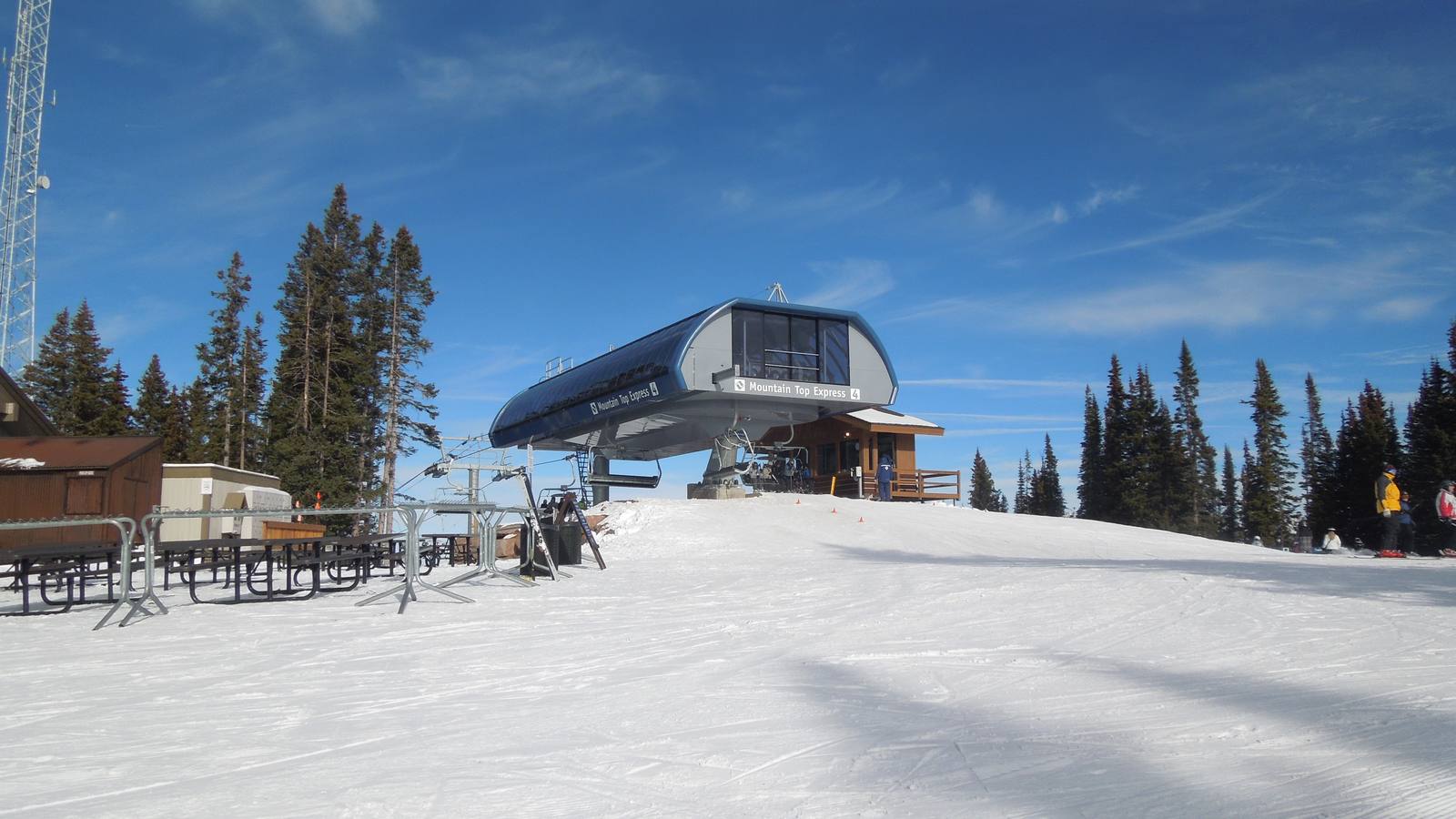
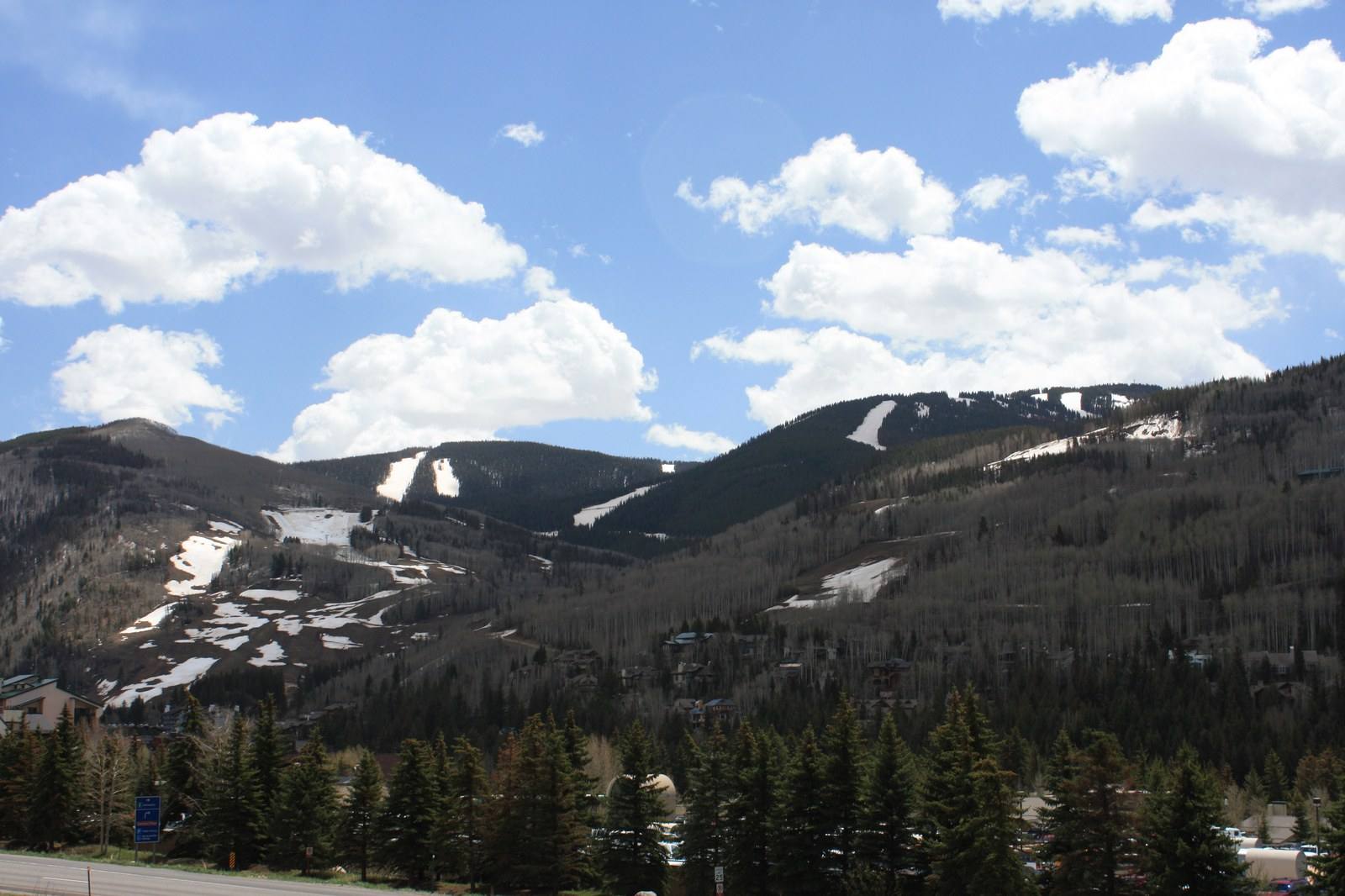
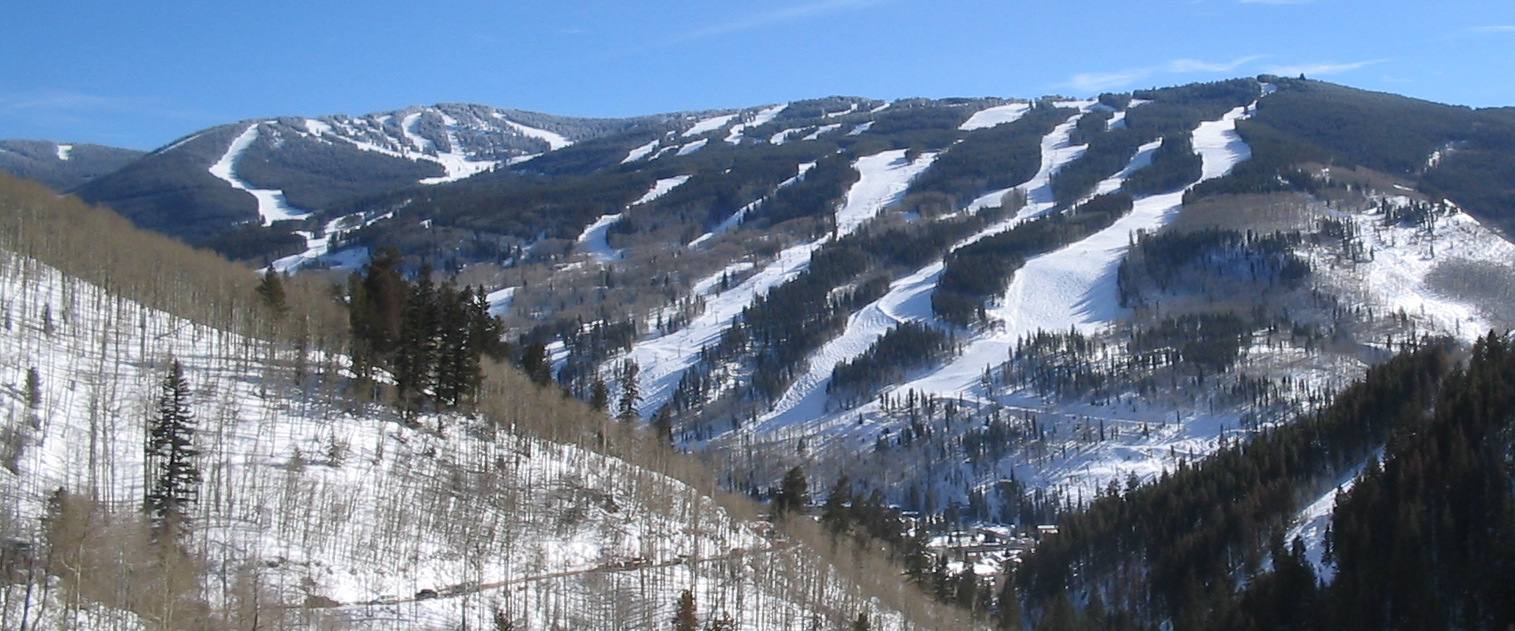
The contest for the future of Vail Resorts moved from statements to a shareholder vote this week. Oasis Management filed a preliminary proxy statement with the U.S. Securities and Exchange Commission on Oct. 13, formally advancing its campaign to elect four directors to the board of the company that operates Vail Mountain and Beaver Creek, according to the filing as reported by The Ski Guru. The filing discloses that Oasis and the other participants in its campaign collectively hold about 9.6 percent of the company's outstanding shares, equivalent to 3.43 million shares.
The stake has climbed quickly. Oasis disclosed a 6.2 percent position in mid-September, followed by 7.4 percent on Sept. 22 and 9 percent on Sept. 29, according to The Ski Guru's account of the filings. The September 29 step was documented in an amended Schedule 13D summarized by Kalkine Media, which reported the group then held 3,223,435 shares, or about 9.0 percent of the shares outstanding. A preliminary proxy statement is not a final solicitation: shareholders have not yet voted, and final proxy materials and an annual meeting date are still to come.
The four names on the Oasis slate
The candidates are Robert A. Chapek, former chief executive of The Walt Disney Company, M. Ashton Hudson, an investment executive, Bryce Roberts, a venture capitalist, and Picabo Street, an Olympic gold medalist in alpine skiing. Vail Resorts confirmed the slate a month earlier in its own SEC filing: in a statement dated Sept. 11, the company said it had received notices of intent to nominate the four from Oasis Management on Sept. 9 and 10, and that it had also received a separate self-nomination from a shareholder, Gregory Syvert Meyer, on Sept. 10.
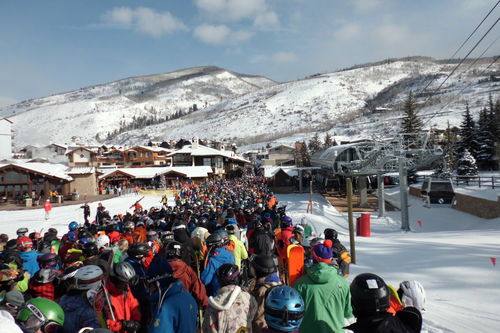
Oasis argues that the company's problems run deeper than weather. Its campaign, as summarized from its September SEC filing by SnowBrains and The Ski Guru, calls for work on guest experience, pricing strategy, marketing effectiveness, hospitality assets, operational efficiency, food and beverage, access for new participants, year-round activities and relationships with mountain communities. The investor has also left open the possibility of proposing a broader strategic review. Those are the activist's claims and proposals, not findings, and the company disputes the premise that weather alone does not explain its year.
The numbers both sides are arguing over
The financial backdrop is not in dispute, because it comes from the company's own reporting. Vail Resorts reported fiscal 2026 net income of 147.5 million dollars, down from 280.0 million dollars the year before, and Resort Reported EBITDA of 745.7 million dollars, down from 844.1 million dollars, in results published Sept. 28. Pass product unit sales through Sept. 18 for the coming season decreased about 12 percent, days sold fell about 10 percent and sales dollars decreased about 6 percent against the prior year period, the company said. The company attributed the pressure primarily to unfavorable weather that reduced visitation, particularly at its Rockies and Tahoe resorts, and guided fiscal 2027 Resort Reported EBITDA to between 805 million and 865 million dollars.
The company's governance position is also on the record. In its Sept. 11 filing, Vail Resorts said its board would evaluate the nominations and present its recommended slate, and that an active search for a new independent director is underway and expected to complete in early 2027.
Vail Resorts prioritizes consistent engagement with shareholders and welcomes ongoing dialogue around the shared interest of continuing to drive long-term shareholder value.
Vail Resorts, statement filed with the SEC, Sept. 11, 2026
Two structural facts frame the vote. Director Sue Decker will not stand for reelection, and the board is expected to consist of nine members following the annual meeting, according to SnowBrains and The Ski Guru, so four Oasis nominees, if all were elected, would hold nearly half the seats but not a majority. For Eagle County, the stakes are concrete rather than abstract: the winning side will set direction on pass pricing, capital spending and community relations at the two resorts that anchor the valley's winter economy. The Vail Tribune is an independent publication of Tribune Publications and is not affiliated with Vail Resorts.