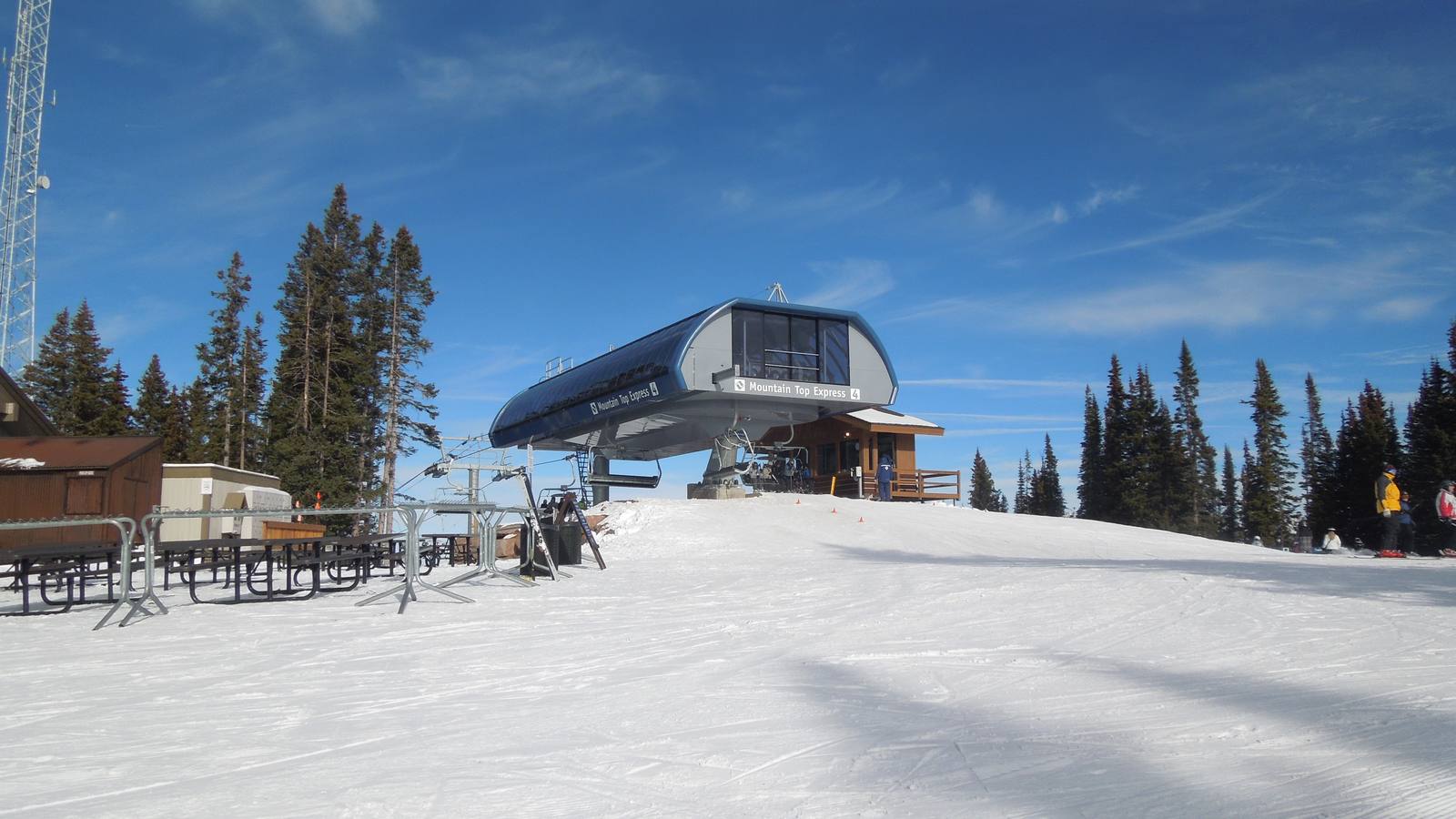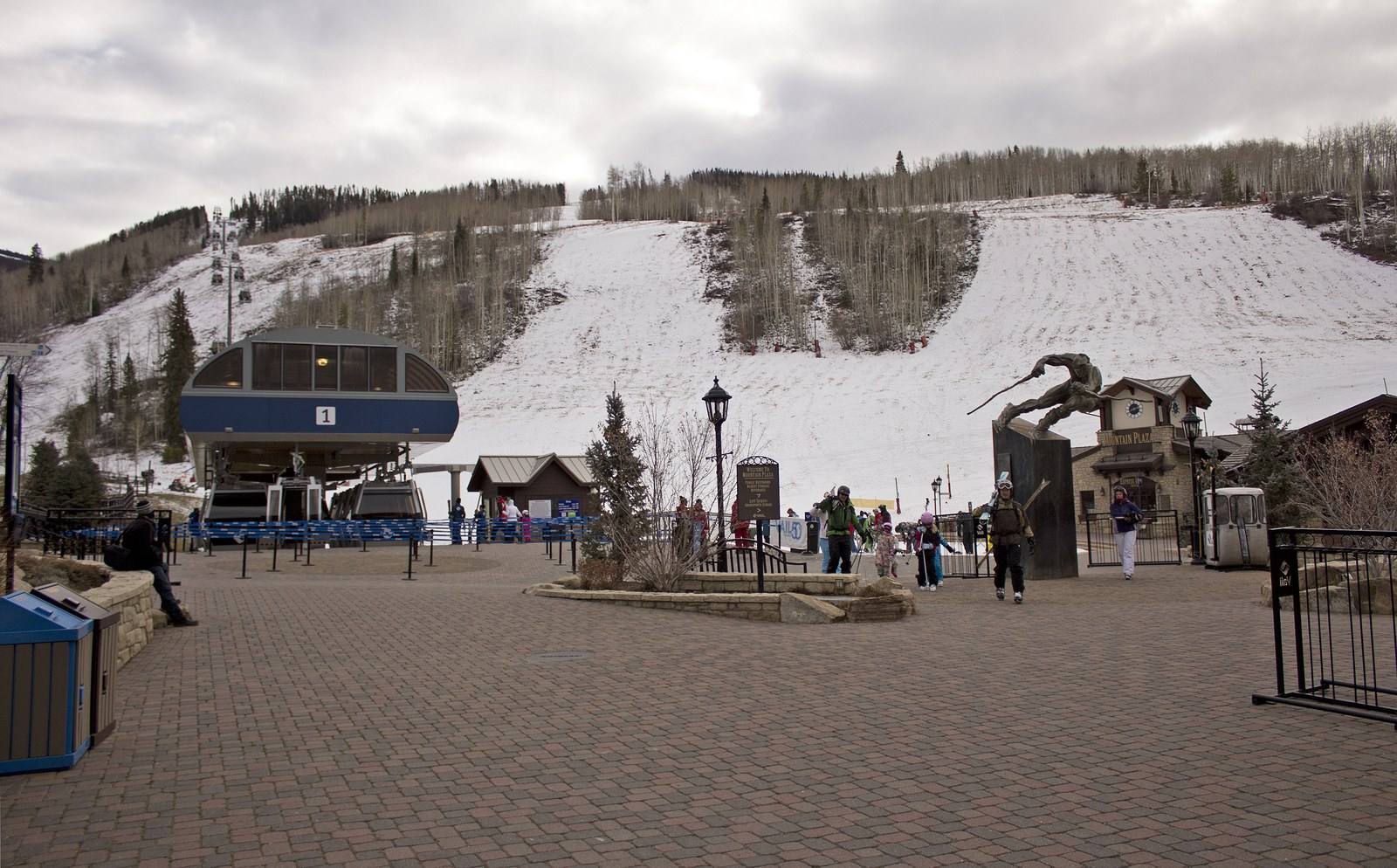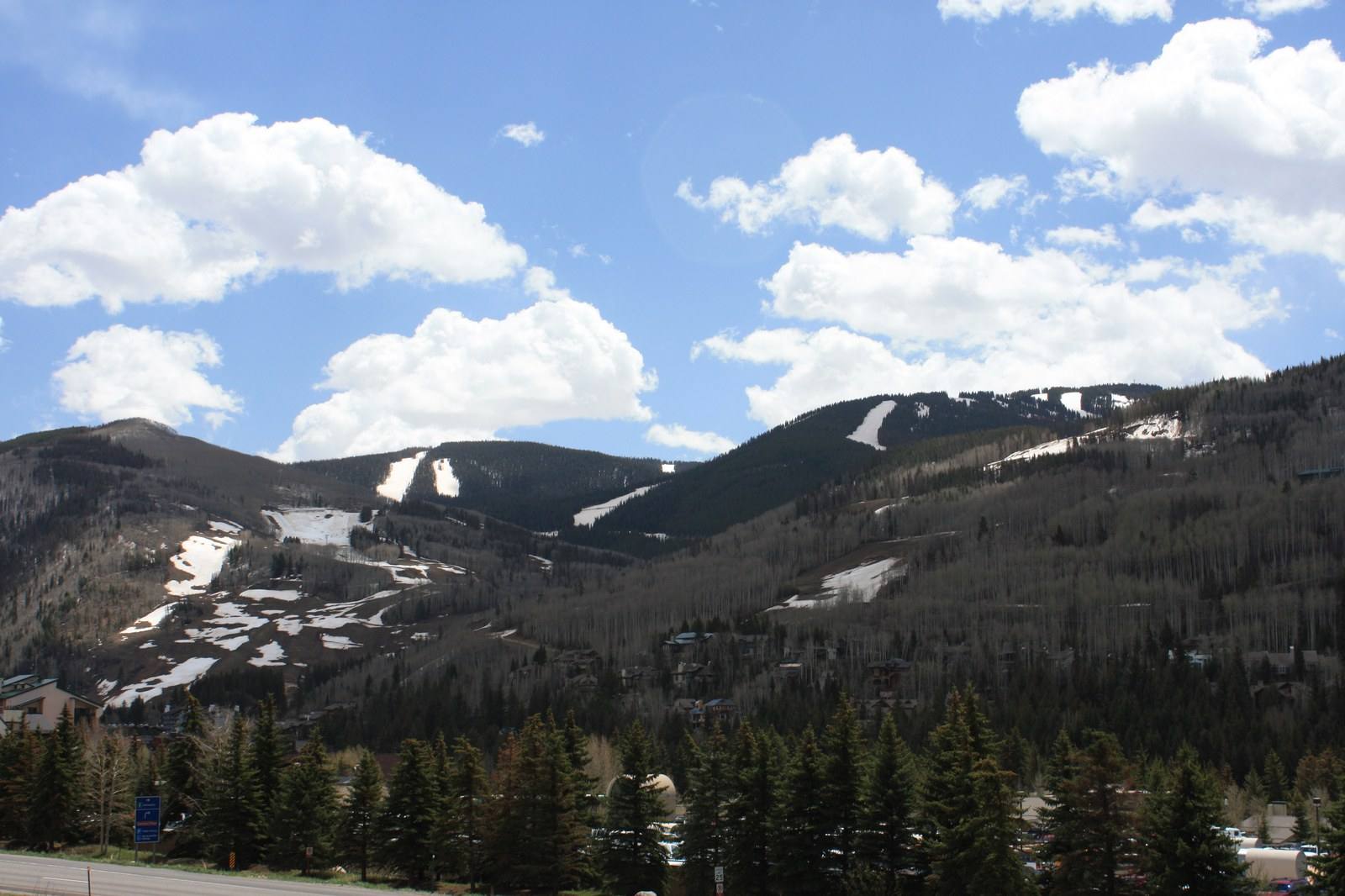
Vail Resorts closes a bruising fiscal 2026 as pass sales lag into the new season
Net income fell to $147.5 million for the year ended July 31 as skier visits dropped 13.4 percent; advance pass sales for 2026-27 are down 12 percent in units.
Vail Resorts, Inc. closed its 2026 fiscal year with sharply lower profit after what its chief executive called one of the most challenging winters in the history of the western U.S. ski industry, and advance sales for the coming season are running well behind last year.
The Broomfield-based company, traded on the New York Stock Exchange as MTN, reported net income attributable to Vail Resorts of $147.5 million for the fiscal year ended July 31, 2026, down from $280.0 million a year earlier, according to a Sept. 28 company release. Resort Reported EBITDA, the company's preferred operating measure, fell to $745.7 million from $844.1 million. The figures are company-reported and unaudited.
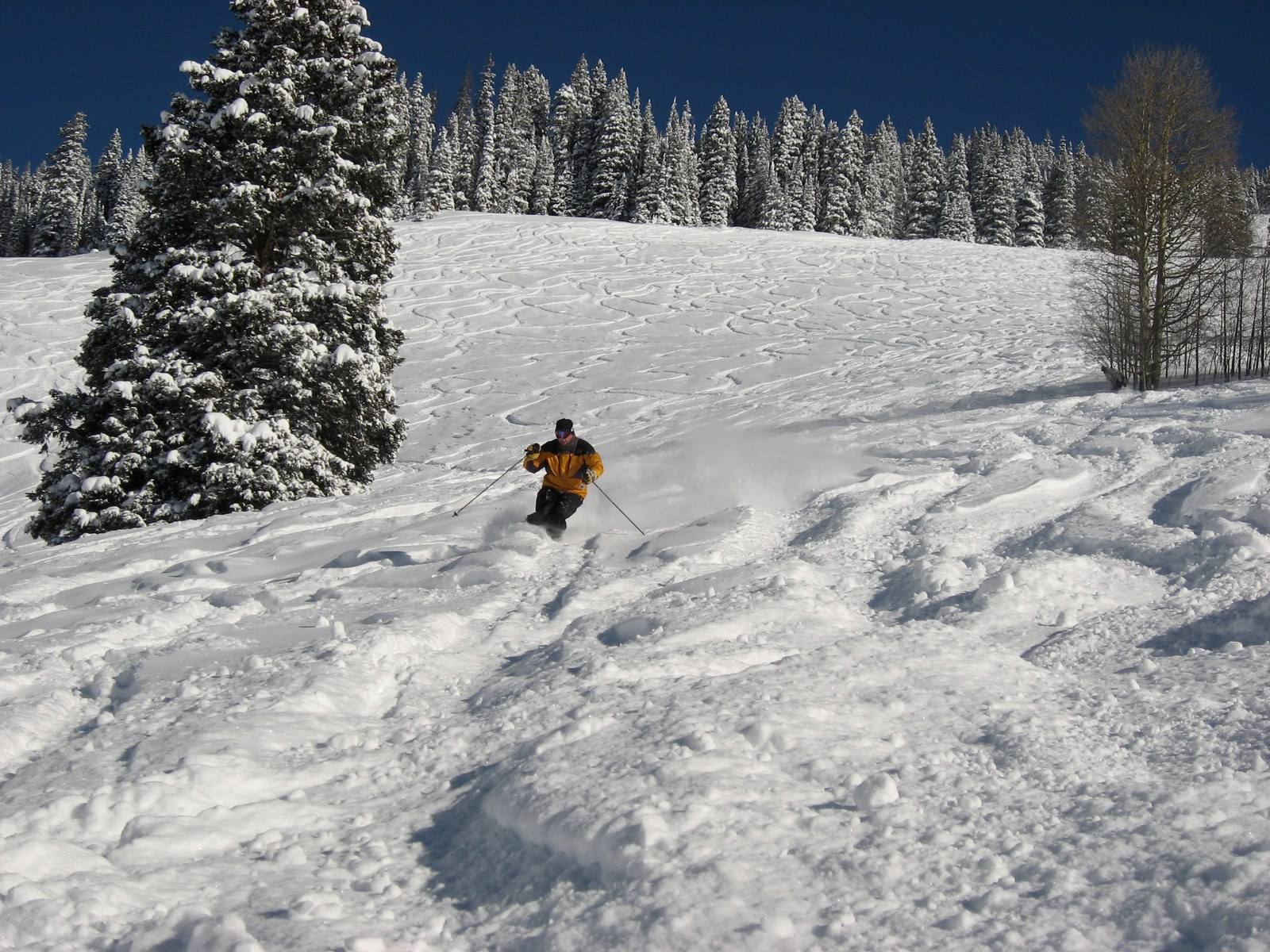
The release attributes the decline primarily to weather. Total skier visitation fell 13.4 percent for the year, while total lift revenue declined 3.5 percent. Pass revenue rose 3.9 percent, which the company says cushioned the decline in day visits. In Australia, cumulative snowfall during the fiscal fourth quarter was about 57 percent below the 10-year average, pressuring visits there as well. The fourth quarter itself, typically a loss-making summer quarter for the company, showed a net loss attributable to Vail Resorts of $190.2 million, or $5.34 per share, with resort net revenue up 0.3 percent on strength at the Grand Teton Lodge Company.
Pass sales for 2026-27 lag last year
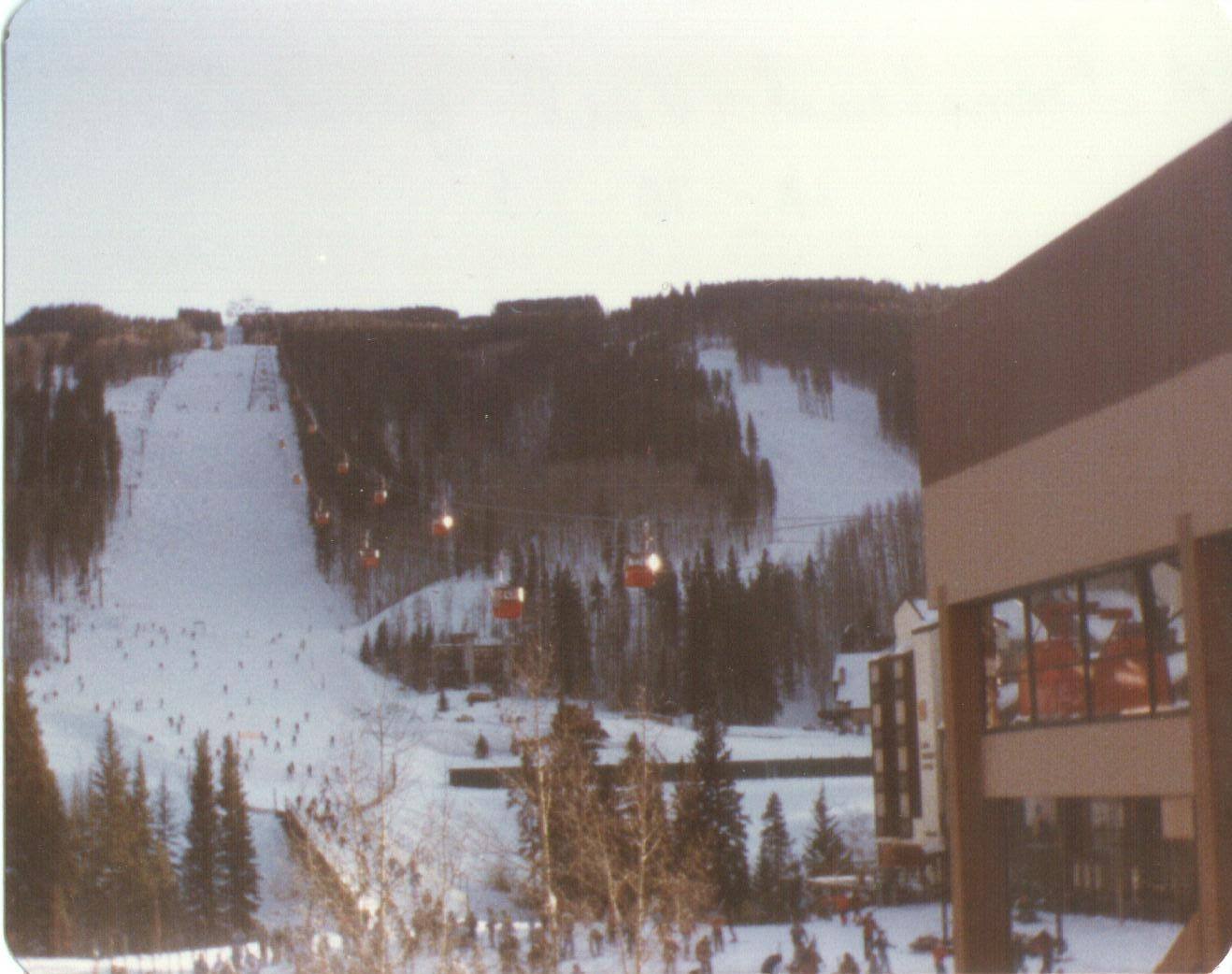
Season-to-date pass product sales through Sept. 18 for the 2026/2027 North American season were down about 12 percent in units, 10 percent in days sold and 6 percent in sales dollars compared with the same point last year, the company said. The release says demand remains affected by last season's conditions, with weakness concentrated in lower-frequency destination products, and that the company views the trend as partly reflecting delayed purchases by less committed guests rather than fully lost demand.
This past winter was one of the most challenging winters in history across the western U.S. for the ski industry
Rob Katz, Chief Executive Officer, Vail Resorts (Sept. 28, 2026 company release)
The release also says third-party data shows Vail Resorts outperforming the broader industry on pass sales and cites record guest satisfaction scores. Those are company claims Vail Tribune could not independently verify from the release alone; readers should treat them as the company's account of its performance, not as independently confirmed facts.
Outlook, cost cuts and dividend
For fiscal 2027, the company guided to net income of $158 million to $233 million and Resort Reported EBITDA of $805 million to $865 million, including about $14 million in one-time costs tied to its multi-year resource efficiency transformation plan. The guidance assumes normal weather and a continuation of the current economic environment. The company said it delivered $45 million of savings from the efficiency plan in fiscal 2026 and expects about $25 million of incremental savings in fiscal 2027, toward roughly $110 million of annualized savings by the end of fiscal 2027. The board declared a quarterly cash dividend of $2.22 per share, payable Oct. 27, 2026 to shareholders of record as of Oct. 8, 2026.
Vail Tribune is an independent publication with no affiliation with Vail Resorts, Inc. This article is based solely on the company's public disclosures.