
Buying another Epic Pass ended his lawsuit: Colorado's high court upholds the post-injury waiver in Litterer
In a 4 to 3 decision on Sept. 21, the Colorado Supreme Court held that a snowboarder who bought a 2022/23 Epic Pass while suing Vail Summit Resorts released his existing claims in the online waiver. A fresh legal alert on Oct. 14 has put the ruling back in front of Colorado's ski industry weeks before pass season peaks.
A routine online checkout has ended an injury lawsuit against the operator of Breckenridge Ski Resort, and the reasoning matters for anyone in the Vail Valley who clicks through an Epic Pass purchase this fall. The Colorado Supreme Court decided Litterer v. Vail Summit Resorts, Inc., 2026 CO 65, on Sept. 21, 2026, affirming lower courts that had dismissed John Litterer's claims. Legal analysis of the ruling continued to circulate this week, including a Davis Graham legal alert dated Oct. 14, 2026. The Vail Tribune is an independent publication of Tribune Publications and is not affiliated with Vail Resorts.
The facts, as the court's opinion states them, are not in dispute in the way the collision itself is. Litterer was injured in December 2020 at Breckenridge, which the opinion notes is owned by Vail Summit Resorts, Inc., in a collision with a snowmobile operated by employee Dwight McClure. Litterer brought multiple claims against the company and McClure, and the case was in active litigation. While it was pending, he bought a five day Epic Pass for the 2022/23 season online and executed the accompanying Release of Liability, Waiver of Claims, Assumption of Risks and Indemnity Agreement, the 2022 online waiver.

I FURTHER RELEASE AND GIVE UP ANY AND ALL CLAIMS AND RIGHTS THAT I MAY NOW HAVE AGAINST ANY RELEASED PARTY
2022 online waiver language, as quoted in Litterer v. Vail Summit Resorts, Inc., 2026 CO 65
A release, not a pre-injury waiver
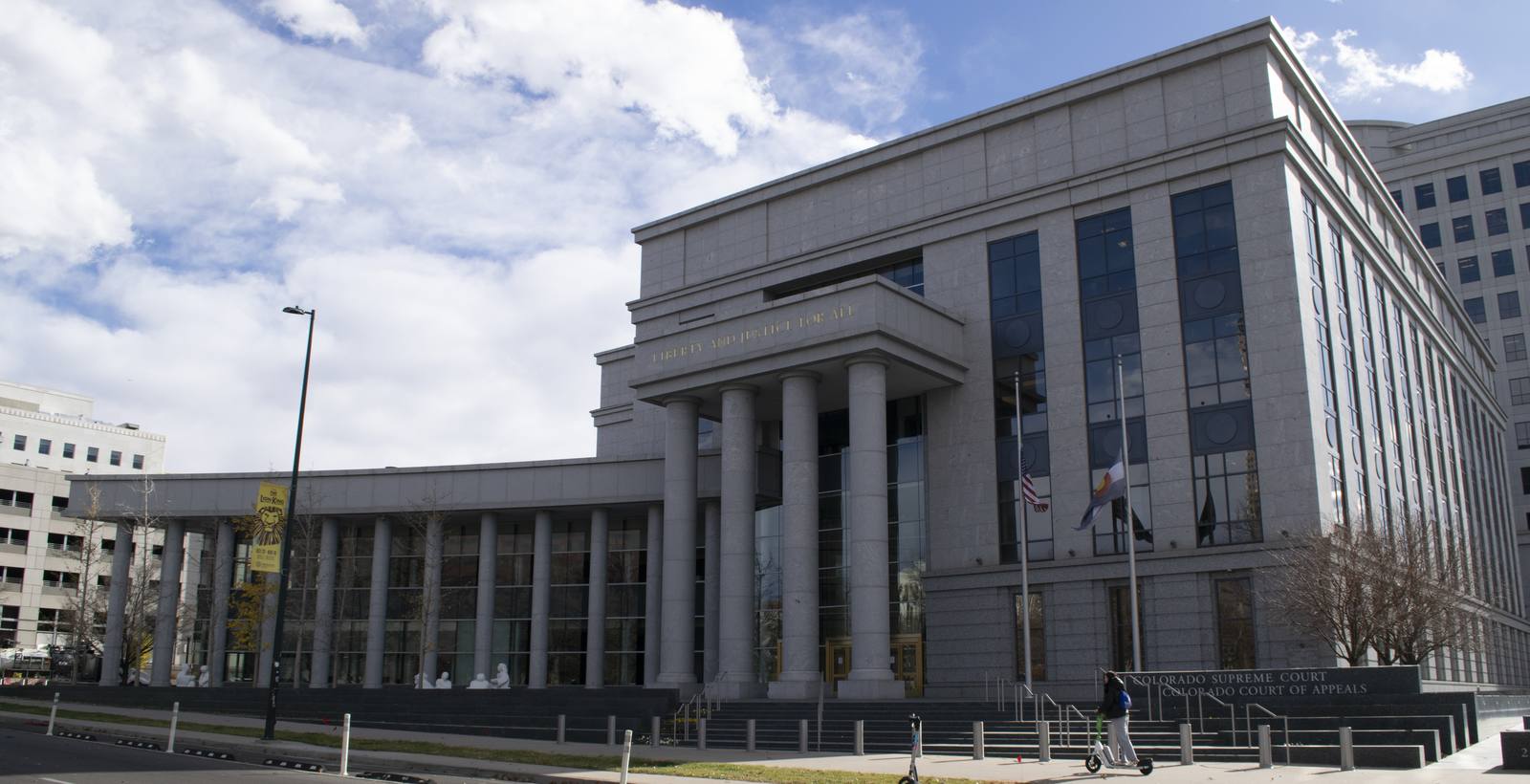
The majority, in an opinion by Justice Berkenkotter joined by Chief Justice Marquez and Justices Boatright and Blanco, concluded that the 2022 waiver operated as a post-injury release rather than a pre-injury exculpatory agreement, and that it released all of Litterer's claims, including claims resulting from anything that had already happened. That distinction controlled the treatment of Miller v. Crested Butte, LLC, 2024 CO 30: the court held Miller, which limits pre-injury exculpatory agreements, does not govern a post-injury release, so the court of appeals did not err in declining to apply it here. The court also held that Litterer's willful and wanton conduct claim and his prayer for exemplary damages were properly dismissed, because willful and wanton conduct is not an independent claim in Colorado and exemplary damages cannot stand without an underlying claim.
The dissent's warning
Justice Gabriel dissented, joined by Justices Hood and Samour. In the dissent's account, a pass purchaser in an ordinary online transaction would not reasonably expect the purchase to settle a pending lawsuit, and the proper way to settle such claims would have been negotiation rather than release language inside a pass agreement. The 4 to 3 split, and the dissent's reasoning, are why Colorado law firm analyses this month, including Holland & Hart's summary and the Oct. 14 Davis Graham alert, have treated the case as a significant precedent on the reach of online waivers rather than a routine dismissal.
For Eagle County pass holders, the practical lesson is narrow and concrete. The ruling does not say that every pre-injury waiver bars every future claim; the court expressly preserved the line between those agreements and a release signed after an injury. What it does say is that language releasing claims a signer may now have, including claims from events that have already happened, will be read as written when it is signed after an incident, even inside a standard pass checkout. Anyone with a pending claim against a resort who is considering buying another pass this season is in the fact pattern this court just decided, and the opinion, not the checkout page, is the place to understand what that click can do.